
Industrial Chic: How to Nail the Urban Restaurant Look
The Essence of Industrial Chic
Industrial chic has become one of the most sought-after aesthetics in restaurant design, capturing the raw energy of city life while maintaining a refined, contemporary edge. Rooted in the adaptive reuse of warehouses and factories, this style celebrates authenticity by highlighting the bones of a space rather than concealing them. When done right, an industrial-inspired restaurant feels effortlessly cool, inviting, and memorable, creating an atmosphere that enhances both the cuisine and the overall dining experience.
Raw Materials That Tell a Story
The foundation of this look begins with materials. Industrial design thrives on honesty, meaning surfaces are left exposed and finishes are kept minimal. Brick walls, concrete floors, and steel structures are not just functional elements; they become the visual centerpiece of the space. Rather than covering imperfections, this style embraces them. Weathered textures, aged metals, and reclaimed wood add depth and character, giving the restaurant a sense of history even if it’s a newly built space. The key is to avoid anything overly polished, as the charm lies in a slightly rugged, lived-in feel.
Open Layouts and Urban Flow
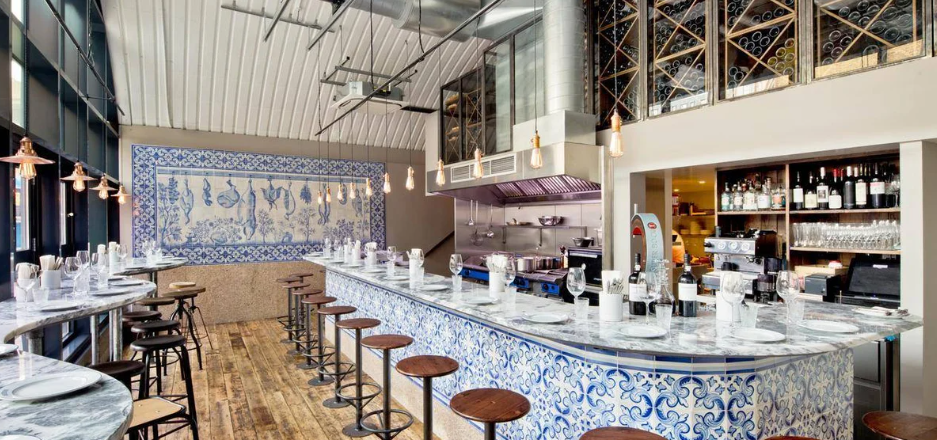
Equally important is the layout of the space. Industrial interiors typically emphasize openness, allowing light and movement to flow freely. A restaurant designed in this style should feel expansive, even if square footage is limited. High ceilings, exposed ductwork, and visible piping contribute to this sense of scale, adding architectural interest while reinforcing the urban aesthetic. Instead of dividing the space with walls, thoughtful zoning can be achieved through furniture placement, lighting, or subtle material changes, creating a dynamic and social dining environment.
Lighting That Defines the Mood
Lighting plays a central role in shaping the atmosphere. Industrial lighting draws inspiration from factories and workshops, but it is carefully curated to feel intentional rather than purely utilitarian. Warm-toned Edison bulbs, metal pendants, and oversized fixtures bring both character and functionality. The goal is to strike a balance between ambiance and practicality, ensuring diners feel comfortable while still immersed in the edgy aesthetic. Layered lighting enhances this effect by combining general illumination with focused accents that highlight key areas such as the bar or communal tables.
Balancing Hardness With Comfort
While the industrial style leans heavily on hard surfaces, comfort should never be overlooked. A successful restaurant design softens raw elements with thoughtful additions that make the space approachable. Plush seating, textured fabrics, and warm wood tones introduce a sense of coziness that offsets the starkness of metal and concrete. Greenery also plays an important role by adding life and contrast, ensuring the environment feels welcoming rather than cold or sterile.
A Cohesive Neutral Palette
Color palettes in industrial chic interiors tend to remain understated, allowing materials and textures to take center stage. Neutral tones such as charcoal, black, white, and muted browns dominate, creating a cohesive and timeless foundation. Instead of relying on bold color, visual interest is achieved through contrast and layering. Subtle combinations of matte and polished finishes or wood against metal create a visually engaging yet harmonious design.
Vintage Touches and Authentic Character
Another defining aspect of the industrial aesthetic is the use of vintage or repurposed elements. Incorporating items that feel salvaged or reimagined adds authenticity and personality. Distressed signage, antique mirrors, and repurposed furniture pieces contribute to a curated, story-driven environment. These details ensure the space feels unique and lived-in rather than overly staged or artificial.
Open Kitchens and Visual Engagement
Modern urban restaurants often extend the industrial concept by showcasing open kitchens or highly visible bar areas. This transparency aligns with the philosophy of exposing structure and function while enhancing the guest experience. Watching chefs prepare dishes or bartenders craft drinks creates energy and interaction, turning dining into a more immersive experience. Materials like stainless steel, tile, and glass maintain a clean, cohesive industrial look in these functional spaces.
The Importance of Finishing Details
The success of an industrial chic restaurant ultimately lies in the details. Hardware, table settings, signage, and menu design should all align with the overall aesthetic. Clean typography, minimal presentation, and durable materials tie everything together seamlessly. Every element should feel intentional, contributing to a space that is both visually compelling and highly functional.
Bringing It All Together
Industrial chic is more than a design trend; it is a philosophy that values authenticity, craftsmanship, and thoughtful contrast. By combining raw architectural elements with warmth, comfort, and carefully curated details, you can create a restaurant environment that feels both modern and timeless. If you’re ready to bring this vision to life, contact a sales representative today for all of your design and commercial kitchen equipment needs.