Commercial Shelving Systems: Wire vs. Solid Shelving
Why Choosing the Right Shelving System Matters
In a commercial kitchen, shelving plays a critical role in organization, sanitation, and overall efficiency. It is not simply about storing products—it directly impacts workflow, food safety, and compliance with health regulations. Restaurant owners who invest in the right shelving system can improve daily operations, reduce waste, and maximize limited space. Choosing between wire shelving and solid shelving, particularly from leading brands like Metro and Cambro, is an important decision that can influence both short-term performance and long-term costs.
Understanding Wire Shelving Systems
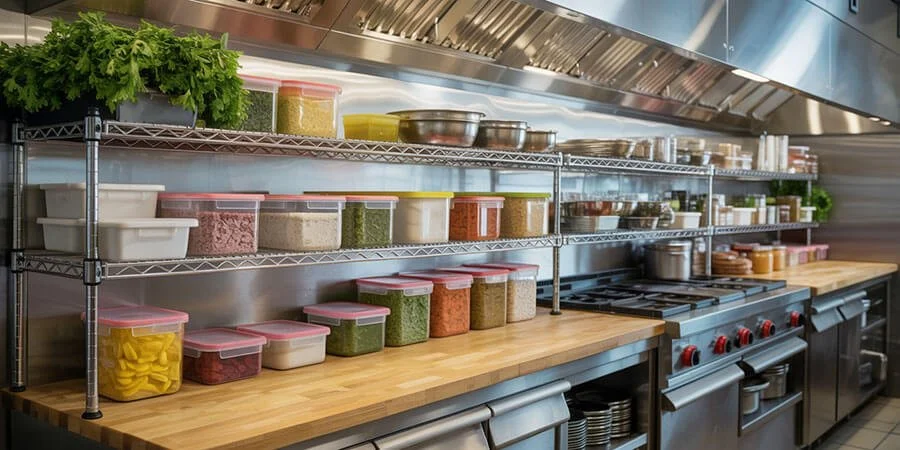
Wire shelving is widely used in commercial kitchens because of its open-grid structure and ability to promote airflow. Typically constructed from coated steel, these shelves are durable and adaptable for different environments. Metro, one of the most recognized brands in the industry, produces wire shelving systems designed to resist corrosion and perform well in high-moisture areas such as walk-in coolers and dishwashing stations. The open design makes wire shelving especially practical in spaces where temperature consistency and ventilation are essential.
Benefits of Wire Shelving
One of the key advantages of wire shelving is its ability to improve air circulation, which is particularly useful in refrigerated storage. This airflow helps maintain even temperatures, supporting food safety and freshness. The open design also allows staff to easily view stored items without obstruction, which can streamline inventory management and reduce time spent searching for products. Additionally, wire shelving is generally lighter in weight, making it easier to adjust or reconfigure as kitchen needs change. Its lower upfront cost compared to solid shelving makes it an appealing option for restaurants focused on budget efficiency.
Limitations of Wire Shelving
Despite its practicality, wire shelving does come with some limitations. The open grid can make it difficult to store smaller items securely, as they may slip through the gaps. Spills from items stored on higher shelves can also drip down, potentially contaminating products below and increasing cleanup time. In some cases, operators must add liners or mats to create a stable surface, which adds another layer of maintenance. These factors make wire shelving less ideal for delicate ingredients or tightly packed storage needs.
Understanding Solid Shelving Systems
Solid shelving offers a completely flat and continuous surface, providing full support for all stored items. Cambro is a leading brand in this category, known for manufacturing shelving systems from high-quality composite materials that resist rust, moisture, and chemical damage. These shelves are particularly well-suited for environments where cleanliness and containment are a priority. Solid shelving is often used in food preparation areas and dry storage spaces where preventing contamination is essential.
Benefits of Solid Shelving
Solid shelving stands out for its ability to contain spills and prevent leakage onto lower shelves, which helps maintain a cleaner and safer storage environment. The flat surface provides full support for items of all sizes, making it ideal for storing small or unstable products. Cleaning is typically easier as well, since there are no gaps where debris can accumulate. Cambro shelving systems are especially valued for their durability and resistance to harsh kitchen conditions, allowing them to maintain performance over many years. This makes them a strong long-term investment despite their higher initial cost.
Limitations of Solid Shelving
While solid shelving excels in cleanliness and durability, it does have some drawbacks. The lack of airflow can be a disadvantage in refrigerated environments, where consistent temperature circulation is important. These systems are also generally heavier and more expensive than wire shelving, which can be a concern for kitchens working within tight budgets. For operations that require frequent layout adjustments, solid shelving may not offer the same level of flexibility as wire alternatives.
Metro vs. Cambro: Brand Comparison
Metro and Cambro are two of the most trusted names in commercial shelving, each offering solutions tailored to different operational needs. Metro is widely recognized for its wire shelving systems, which emphasize strength, airflow, and antimicrobial protection. These features make Metro a strong choice for high-volume kitchens where durability and ventilation are essential. Cambro, on the other hand, focuses on solid shelving systems that prioritize hygiene and resistance to moisture and corrosion. Its products are especially suited for kitchens where sanitation and long-term reliability are top priorities.
When to Use Wire vs. Solid Shelving
In most commercial kitchens, the most effective strategy is to use a combination of both shelving types. Wire shelving works best in areas such as walk-in coolers, freezers, and high-volume storage zones where airflow and accessibility are critical. Solid shelving is better suited for prep areas, dry storage spaces, and locations where spills are more likely to occur. By using each type where it performs best, restaurant owners can create a balanced system that improves efficiency while maintaining high standards of cleanliness.
Key Factors to Consider Before Buying
Before selecting a shelving system, it is important to evaluate the specific needs of the kitchen. Factors such as available space, the types of items being stored, humidity levels, and local health regulations all play a role in determining the best solution. Budget considerations should also include long-term durability and maintenance, not just initial cost. Making a thoughtful investment in shelving can prevent future expenses related to replacements, inefficiencies, and compliance issues.
Final Thoughts: Choosing the Right System for Your Kitchen
Wire and solid shelving systems each bring unique advantages to a commercial kitchen. Wire shelving offers flexibility, visibility, and improved airflow, while solid shelving provides superior containment, durability, and ease of cleaning. For restaurant owners in 2026, the most effective approach is to combine both options strategically. Leveraging the strengths of trusted brands like Metro and Cambro allows you to build a storage system that supports efficiency, food safety, and long-term growth.
Ready to Upgrade Your Kitchen Storage?
Selecting the right shelving system is a practical step that can deliver significant improvements in organization and workflow. Whether designing a new kitchen or updating an existing one, the right choice in commercial shelving can help position your restaurant for greater efficiency, compliance, and profitability.